The Cinema of Moral Damnation: Scorsese's Anti-Hero Architecture
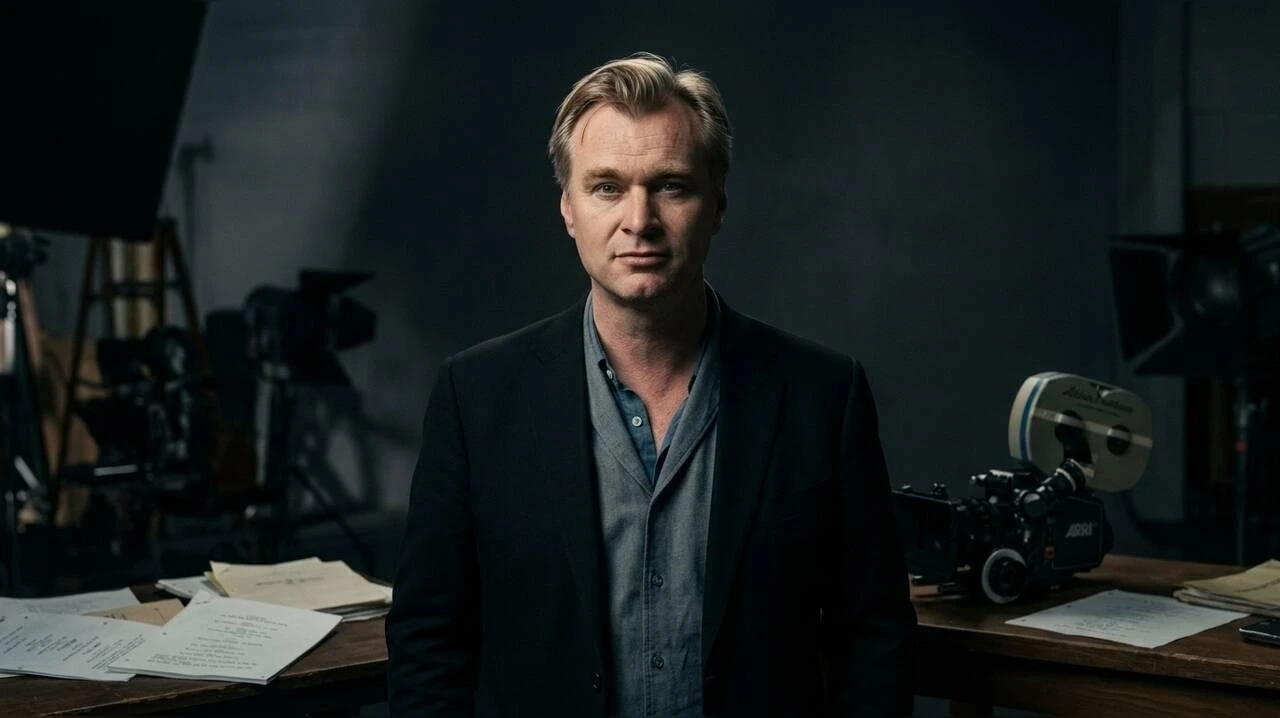
For over six decades, Martin Scorsese has stood as the undisputed conscience, historian, and titan of American cinema. Emerging from the gritty Italian-American enclave of Little Italy in lower Manhattan, Scorsese brought an electric, kinetic visual energy and an uncompromising moral seriousness to the silver screen. While classical Hollywood cinema was built upon clear moral divisions between heroic protagonists and villainous antagonists, Scorsese dismantled that binary completely, placing deeply flawed, morally compromised, and spiritually tormented anti-heroes at the center of his cinematic universe.
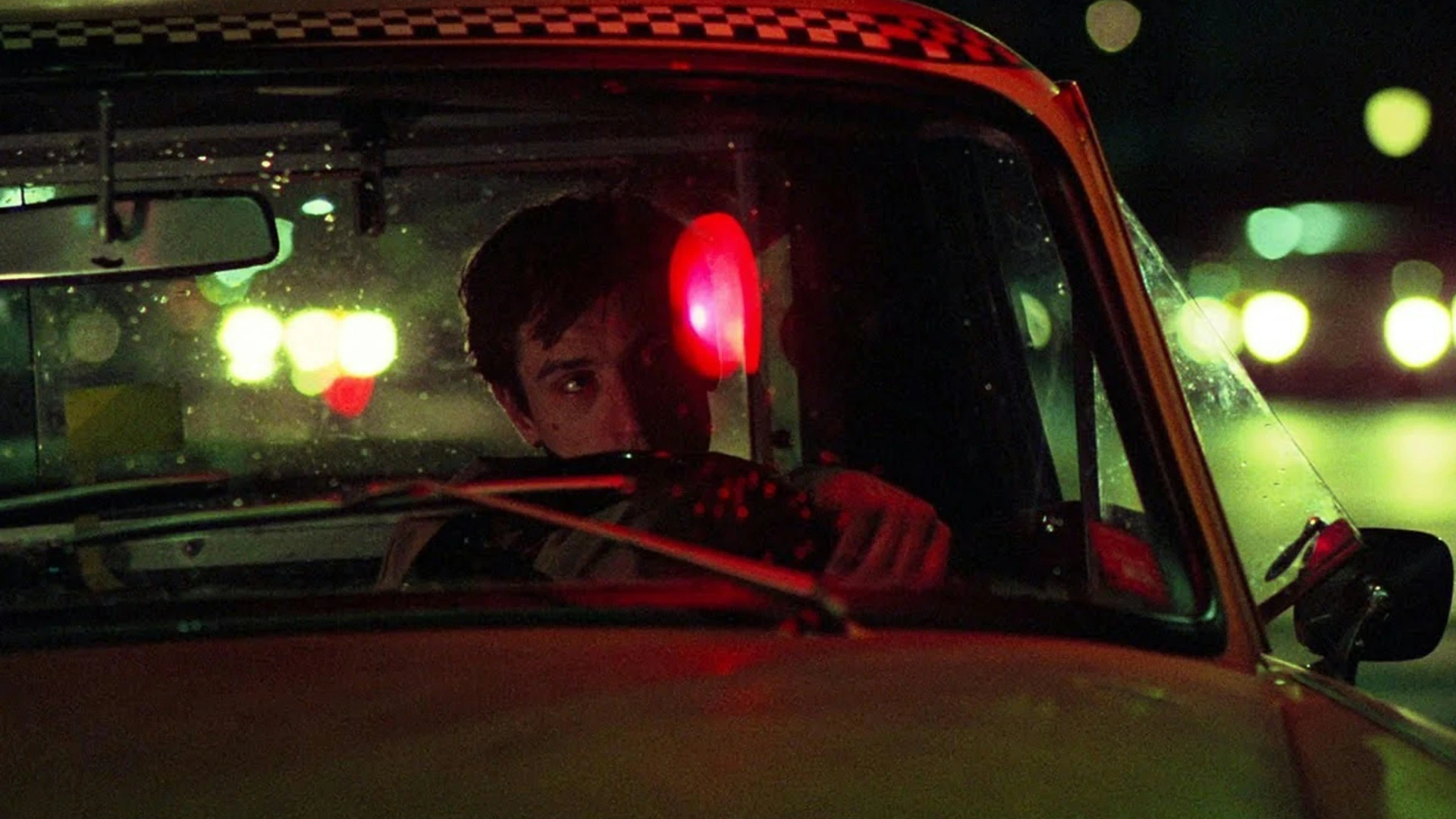
From Travis Bickle in 'Taxi Driver' (1976) and Jake LaMotta in 'Raging Bull' (1980) to Henry Hill in 'Goodfellas' (1990) and Jordan Belfort in 'The Wolf of Wall Street' (2013), Scorsese's protagonists are driven by primal urges: violent paranoia, insatiable greed, tribal machismo, and a desperate craving for validation. Yet Scorsese never acts as a moralistic judge, nor does he glamorize their atrocities. He adopts an observational, almost anthropological approach, forcing the audience into uncomfortable intimacy with the darkest corners of the human soul.
I don't make films to preach. I make films about human conflict, guilt, and the constant struggle between our base instincts and our desire for grace.
— Martin Scorsese
Thelma Schoonmaker and the Grammar of Kinetic Editing
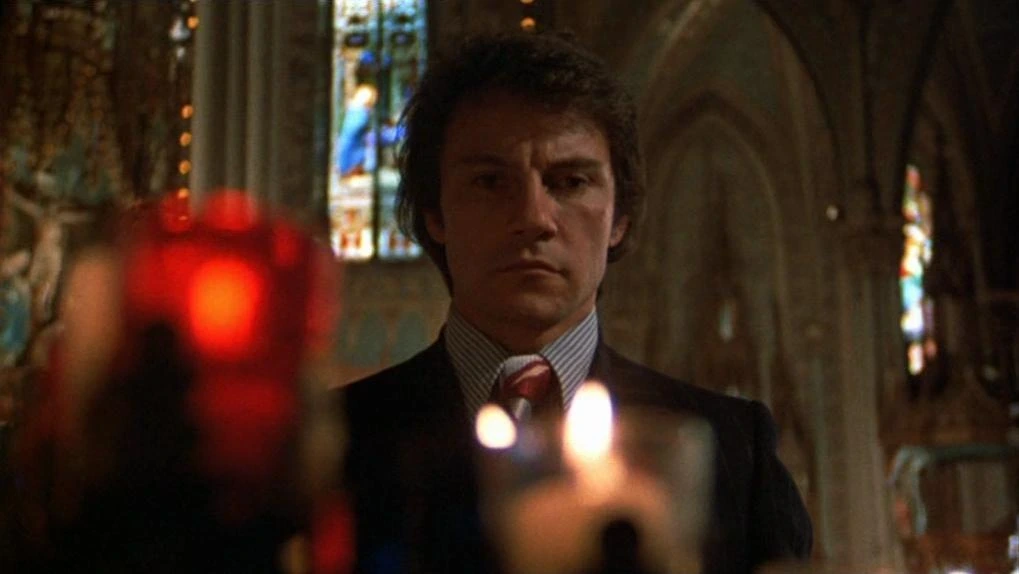
Scorsese's visual velocity is inseparable from his legendary, lifelong creative partnership with editor Thelma Schoonmaker, who has won three Academy Awards for editing his films. Together, Scorsese and Schoonmaker created an entirely new rhythm in cinema grammar. They violated traditional continuity editing rules: utilizing sudden freeze-frames, jump cuts, speed ramps, and rapid associative montages to mirror the manic, cocaine-fueled mental states of their characters.
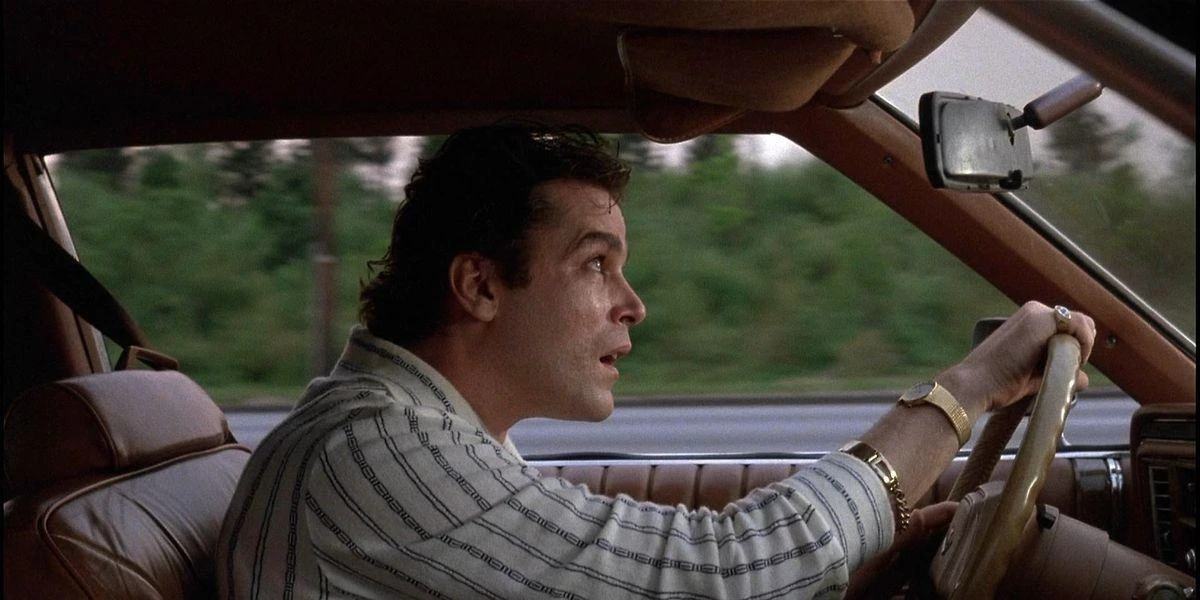
The crowning achievement of their kinetic editing style is the legendary 'May 11, 1980' sequence in 'Goodfellas'. Over ten breathless minutes, the film tracks Henry Hill trying to juggle a major cocaine shipment, cook tomato sauce with pork ziti for his family, evade an FBI surveillance helicopter, and deliver contraband guns across town. Jump cuts slice between sizzling frying pans, rearview mirrors, and baggies of white powder, propelled by seven rapid needle drops from Muddy Waters, The Rolling Stones, and The Who. It remains the gold standard of cinematic panic.
The Copacabana Steadicam: A Masterclass in Spatial Power
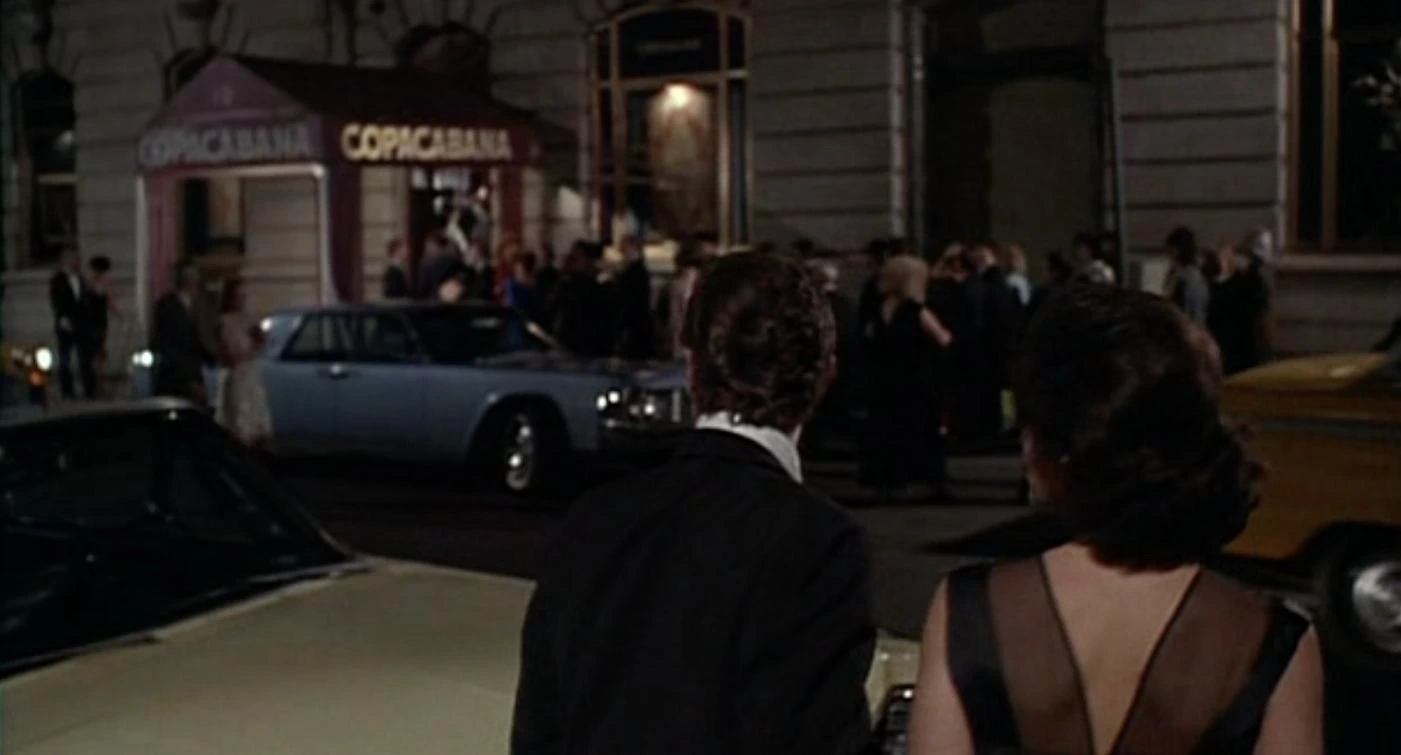
No discussion of Scorsese's camera mastery is complete without analyzing the iconic three-minute unbroken Steadicam shot in 'Goodfellas' (shot by Larry Sher). As Henry Hill leads his girlfriend Karen (Lorraine Bracco) into the Copacabana nightclub, he bypasses the long line of patrons waiting on the street, slips down service stairs, navigates the bustling kitchen, and emerges into the glamorous showroom where captains immediately place a VIP table directly in front of the stage.
The camera move was far more than an athletic stunt; it was an act of pure narrative seduction. The audience experiences the intoxicating, seductive power of organized crime exactly as Karen does: the world parts for Henry Hill, kitchen workers greet him with reverence, and money flows like water. By making the audience feel the seductive glamour of mob life, Scorsese ensures that Henry's inevitable, paranoid downfall hits with devastating moral force.
Catholic Guilt and the Quest for Spiritual Grace
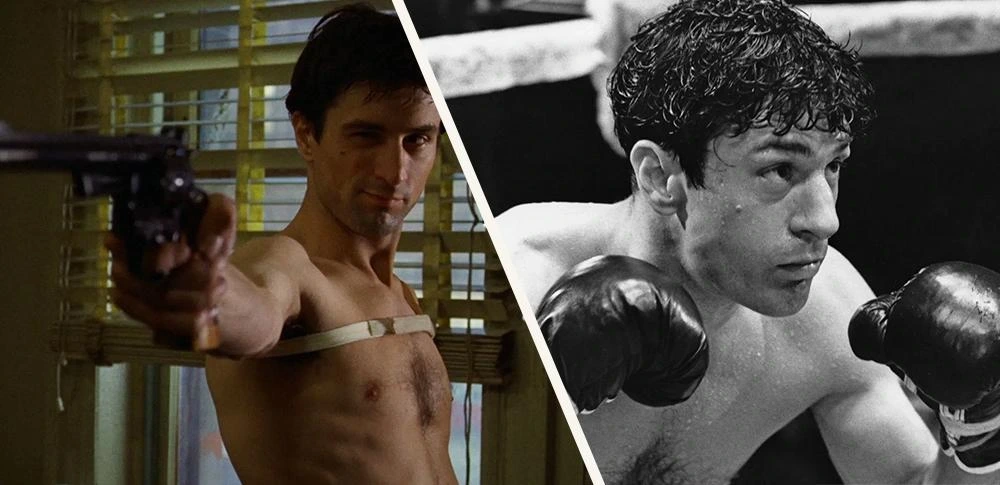
Having contemplated the priesthood before attending NYU film school, Scorsese's entire body of work is saturated with Catholic iconography, ritual, and spiritual anguish. His characters carry an unbearable burden of guilt, seeking salvation through physical mortification and suffering. In 'Raging Bull', Jake LaMotta takes punishing blows to the head in the boxing ring as a form of self-flagellation to atone for his monstrous jealousy and domestic violence.
This theological inquiry reached its purest artistic expression in his spiritual trilogy: 'The Last Temptation of Christ' (1988), 'Kundun' (1997), and his monumental masterwork 'Silence' (2016). In 'Silence', following two 17th-century Portuguese Jesuit priests (Andrew Garfield and Adam Driver) entering feudal Japan amidst brutal persecution, Scorsese interrogates the agony of God's silence in the face of human suffering. It stands as one of the most intellectually profound and spiritually searching films in the history of cinema.
The Sunset of the Mob: 'The Irishman' and the Erasure of Legacy
In 2019, Scorsese reunited with his greatest repertory actors—Robert De Niro, Al Pacino, and Joe Pesci—for the three-and-a-half-hour elegiac epic 'The Irishman'. Far from repeating the kinetic, celebratory adrenaline of 'Goodfellas' or 'Casino', 'The Irishman' was a somber, devastating funeral dirge for the mob genre. The film stripped away all glamour, showing the pathetic, lonely end of hitman Frank Sheeran, abandoned by his family in a nursing home, picking out his own burial crypt.
Martin Scorsese has proven that cinema is not merely disposable commercial entertainment; it is an enduring temple of human truth, historical memory, and artistic transcendence. His legacy remains immortal.
The Confessional Voiceover: Internal Contradiction as Narrative Truth
One of Scorsese's most enduring narrative techniques is the extensive deployment of confessional, subjective first-person voiceovers. From Travis Bickle's diary readings in 'Taxi Driver' to Henry Hill's gleeful opening declaration in 'Goodfellas' ('As far back as I can remember, I always wanted to be a gangster'), Scorsese uses voiceover not as expository crutch, but to expose the profound chasm between how his anti-heroes perceive themselves and the moral reality of their actions.
The voiceover allows the audience to enter the intoxicating seductive allure of crime, greed, and addiction alongside the protagonist. In 'The Wolf of Wall Street', Jordan Belfort (Leonardo DiCaprio) speaks directly to the camera, breaking the fourth wall to boast about his financial fraud and drug consumption. Yet as the narrative accelerates, the visual truth begins to contradict the narrator's boastful words: the glamorous high-roller lifestyle is revealed to be a squalid, soul-destroying descent into paranoia, spiritual vacuity, and moral ruin.
Kinetic Camera vs. Catholic Penitence: The Dualism of Scorsese's Cinema
Scorsese's visual style operates as a perpetual tug-of-war between kinetic camera energy and Catholic penitence. While his secular crime epics showcase whip pans, freeze frames, and high-energy rock-and-roll needle drops, his spiritual masterworks—'Silence' (2016), 'Kundun' (1997), and 'The Last Temptation of Christ' (1988)—embrace stillness, prayerful silence, and austere compositions. This dualism reveals the heart of Scorsese's genius: whether exploring the criminal underworld of Little Italy or seventeenth-century Jesuit missionaries in feudal Japan, his cinema is an unceasing interrogation of the fragile human soul in search of redemption.